MIT Just Proved Einstein Wrong in the Famous Double-Slit Quantum Experiment

Physicists at MIT conducted a precise version of the renowned double slit quantum experiment, which challenges Einstein’s objections to quantum mechanics. With the help of ultracold atoms and single photons, they have shown the reaction of the long-standing wave-particle duality discussion without traditional spring setups. The researchers ignored the classical apparatus components and allowed nature’s […]

Continue Reading
Russia Expands Space Weather Network, Launches Iran’s Nahid-2 in Joint Mission

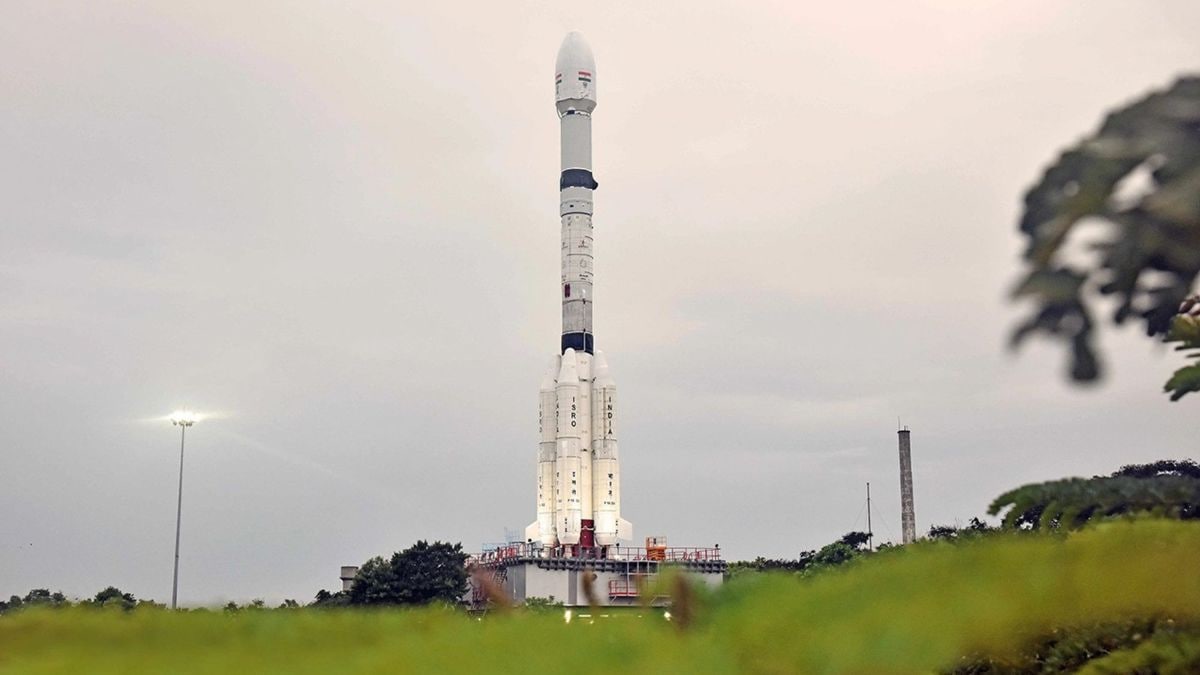
Russia sent two new Ionosfera-M satellites into orbit on a Soyuz-2 on July 25, 2025. Rocket 1b from the Vostochny Cosmodrome in Siberia. The mission also placed Iran’s Nahid-2 communications satellite in orbit. These satellites will complement a four-satellite constellation aimed at keeping track of Earth’s upper atmosphere and space weather conditions, particularly the solar […]

Continue Reading
NASA Tests Modular Satellite Tech to Cut Launch Costs and Speed Missions

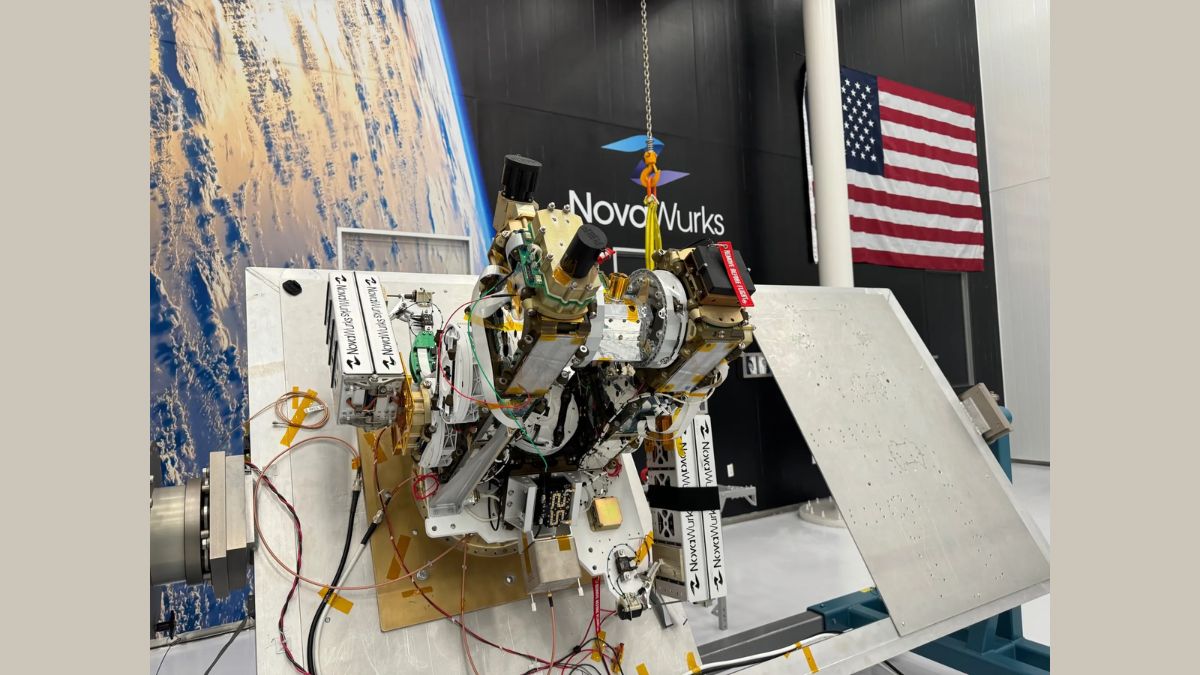
NASA is testing new scalable satellite technology to integrate and launch scientific sensors faster and at lower cost. NASA’s Athena EPIC (Economical Payload Integration Cost) mission uses a compact, modular spacecraft platform that “shares resources among the payloads onboard” so each instrument doesn’t need its own control system. By offloading routine functions to the bus, […]

Continue Reading

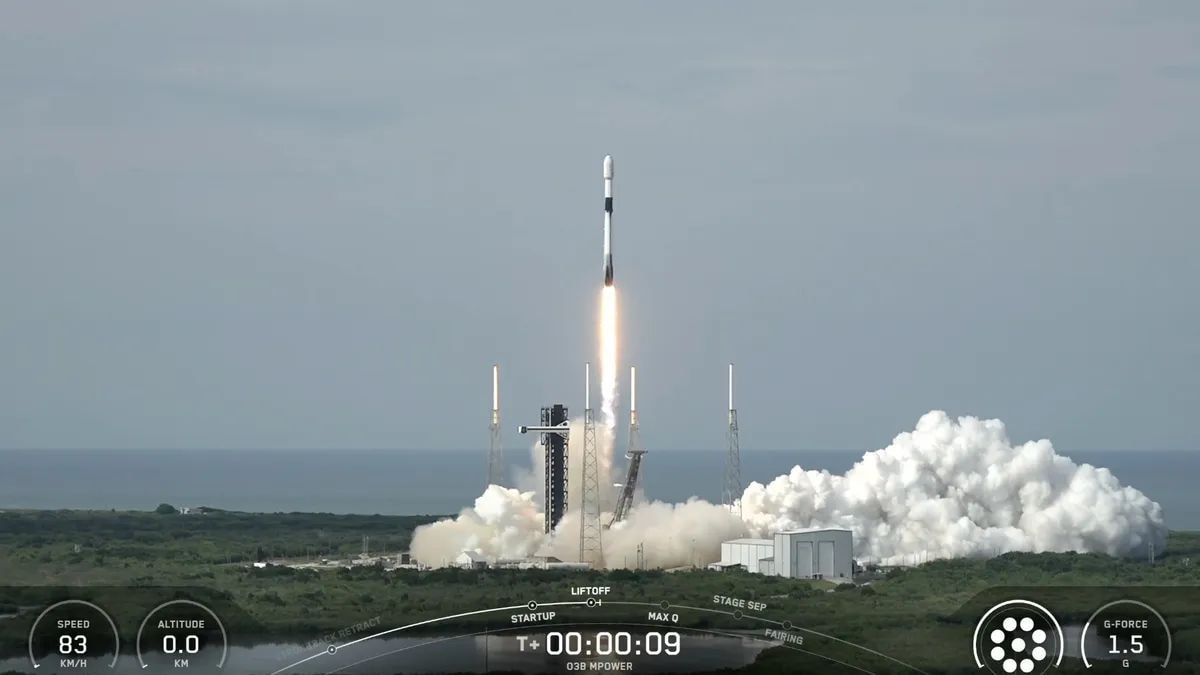
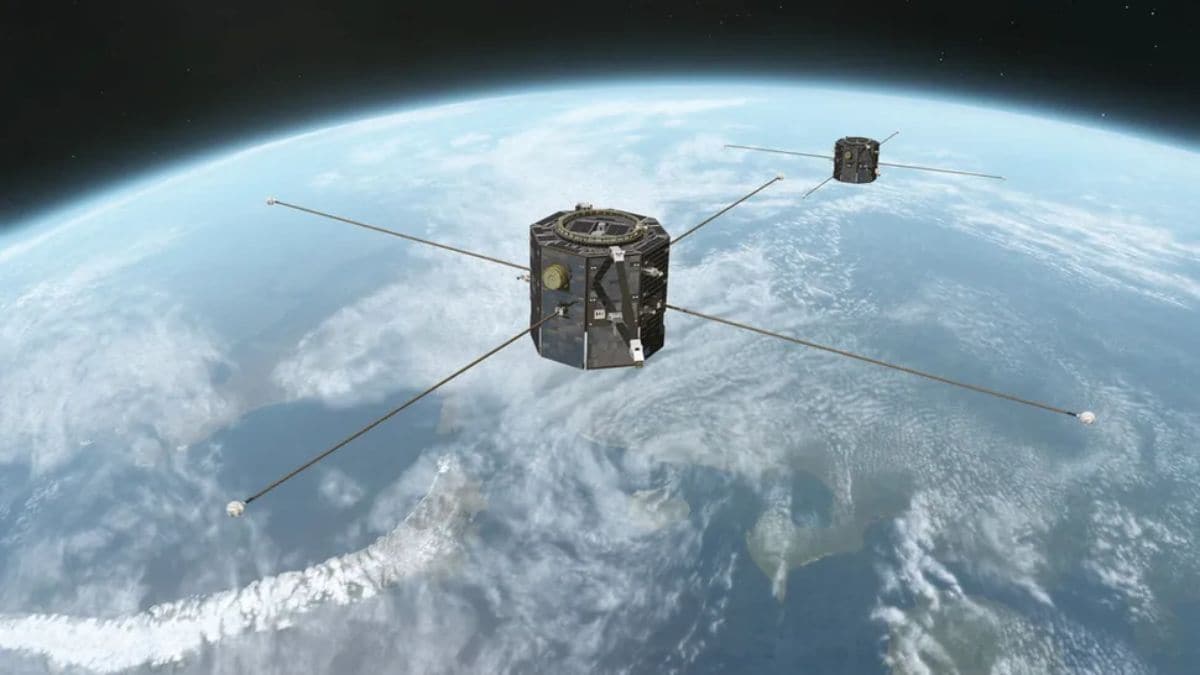
NASA’s Twin TRACERS Satellites Will Monitor Space Weather to Shield Earth from Solar Storms

Two NASA satellites are scheduled to be launched into low-Earth orbit in a mission designed to do nothing less than study magnetic storms that imperil the Earth’s atmosphere, communication, and orbital systems. Travelling together in sun-synchronous orbit, the Tandem Reconnection and Cusp Electrodynamics Reconnaissance Satellites (TRACERS) will keep watch over Earth’s polar cusps — a […]

Continue Reading
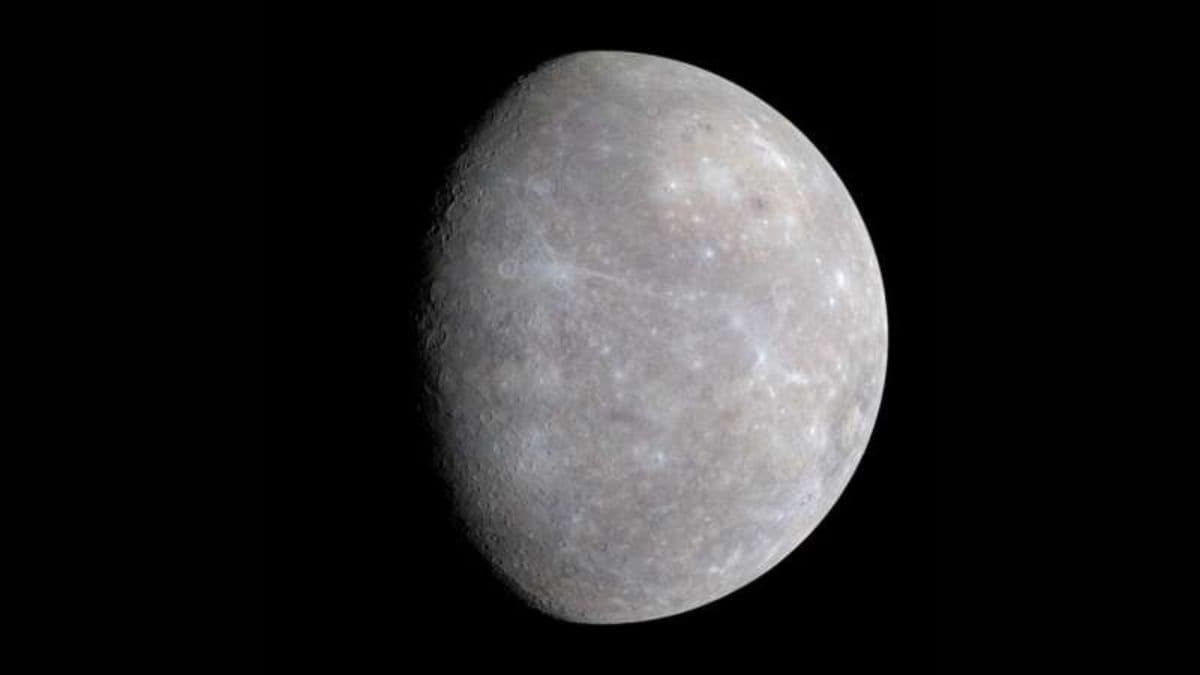
Magnetic Wave Detection Uncovers Elusive Lithium in Mercury’s Thin Exosphere

Using a new technique based on magnetic-wave analysis, scientists have, for the first time, discovered lithium in the atmosphere of Mercury. Published in Nature Communications, the study constitutes the first detection of lithium around the smallest planet in our solar system. The exosphere of Mercury, Unlike thickened atmospheres, the thin shell of particles that constitutes […]

Continue Reading