NASA Is Using AI Tools to Monitor and Map Disaster Affected Areas

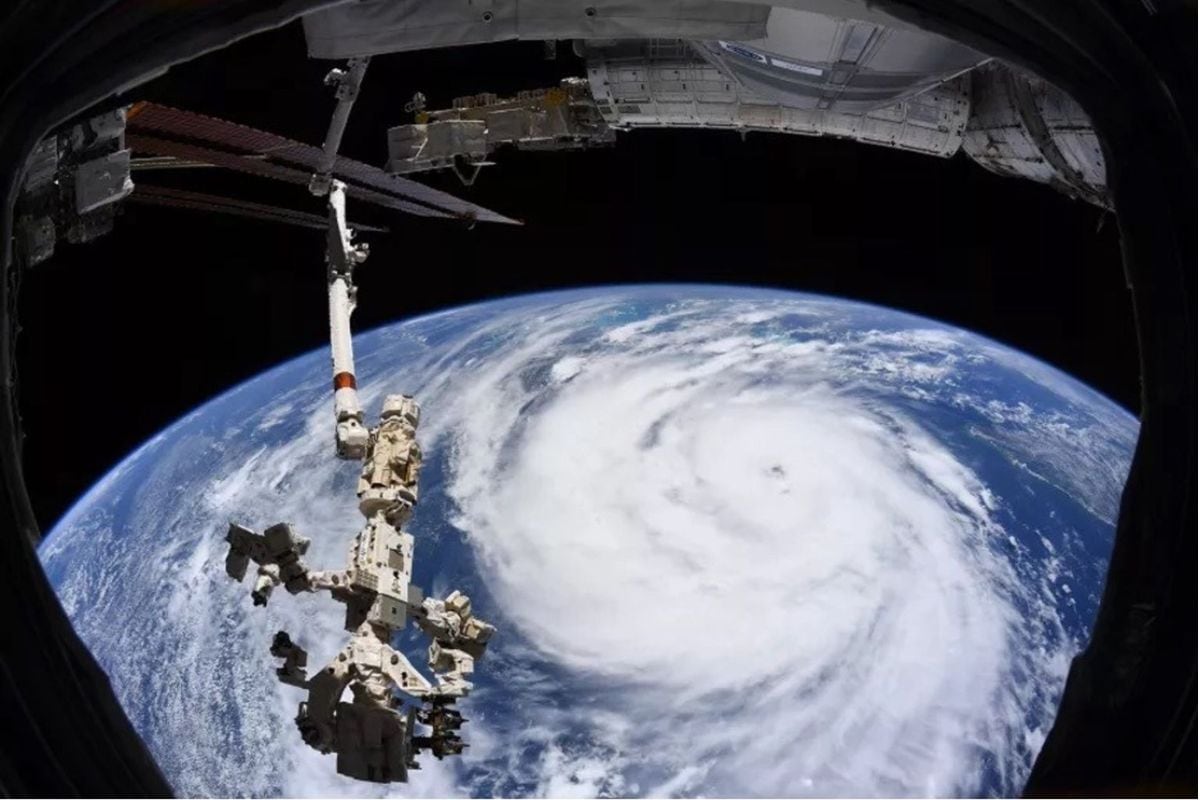
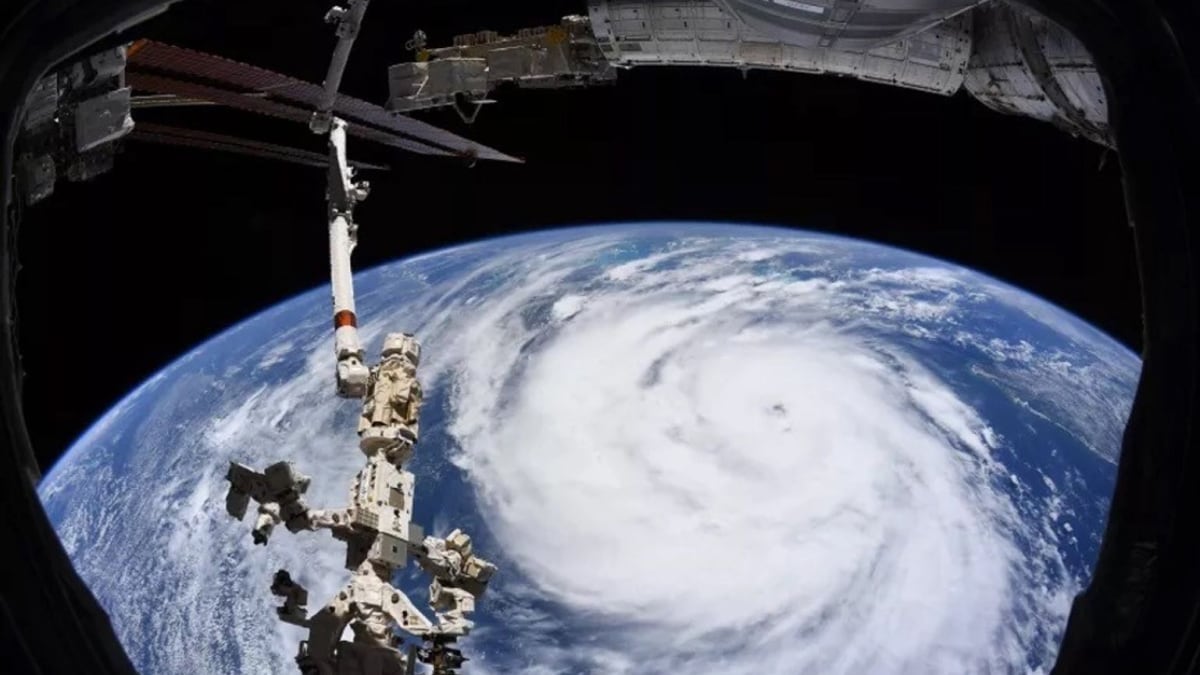
The integration of artificial intelligence (AI) and open science by NASA has been reported to significantly advance disaster preparedness, response and recovery efforts. According to the space agency, NASA’s Disasters Program, supported by the agency’s commitment to open science, has been developing innovative tools and datasets to assist in managing natural disasters like hurricanes. These […]

Continue Reading

Why Are Extreme Heat Hotspots Defying Climate Expectations Worldwide?

A recent study, published in Proceedings of the National Academy of Sciences, has identified regions globally experiencing extreme heatwaves surpassing climate model predictions. These anomalies, spanning every continent except Antarctica, have been linked to thousands of deaths, agricultural failures, and severe wildfires in recent years, according to several reports. The research highlights the challenges in […]

Continue Reading

Our Solar System Lacks a Super-Earth and That Might Be a Good Thing

Planetary scientists have explored a hypothetical scenario in which a super-Earth existed within our solar system, situated between the orbits of Mars and Jupiter. According to recent simulations conducted by Emily Simpson and Howard Chen, planetary scientists at the Florida Institute of Technology, such a planetary configuration could have drastically destabilised the climates and orbits […]

Continue Reading

Scientists Spot Record-Breaking Cosmic Ray Electrons Near Earth

After over a decade of research, the H.E.S.S. Observatory in Namibia has recorded the most energetic cosmic ray electrons ever detected, according to reports. These high-energy particles, comprising electrons and positrons, are believed to originate from intense cosmic phenomena such as supernova explosions, neutron stars, and black holes. The discovery suggests that the sources of these […]

Continue Reading

NASA Satellites Reveal Freshwater Decline With Persistent Global Droughts

An alarming reduction in Earth’s freshwater supply has been identified through data from NASA’s Gravity Recovery and Climate Experiment (GRACE) satellites. This trend, which began in May 2014, highlights a significant shift in global water availability, according to findings published in Surveys in Geophysics. The research, conducted by an international team of scientists, points to […]

Continue Reading

4,000-Year-Old Maya Fish-Trapping Network Found in Belize

An extensive fish-trapping network, believed to date back 4,000 years, has been discovered in Belize, shedding light on how the Maya civilisation sustained its communities through complex aquatic food systems. This research reveals that a network of ponds and earthen channels enabled ancient Maya people to secure food resources by channelling fish and other aquatic species […]

Continue Reading
Fastest-Moving Stars in the Galaxy May be Piloted by Aliens, New Study Suggests

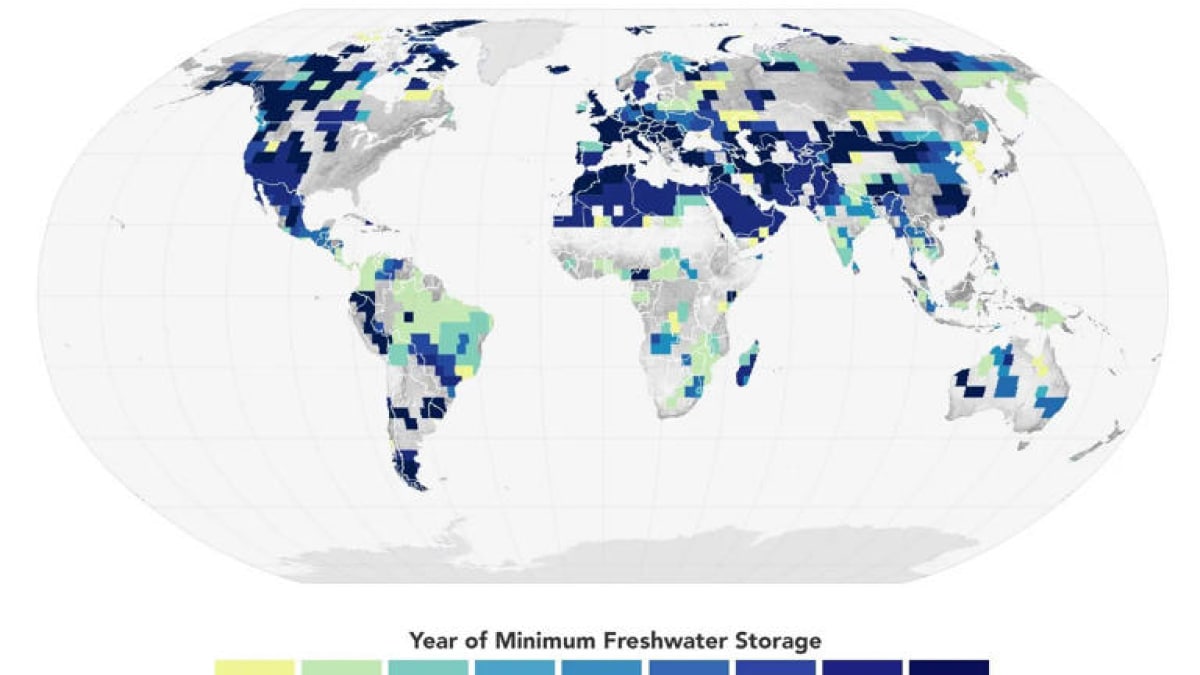
Intelligent extraterrestrial civilisations might be utilising stars as massive interstellar vehicles to explore the galaxy, according to a theory proposed by Clement Vidal, a philosopher at Vrije Universiteit Brussel in Belgium. His research suggests that alien species could potentially accelerate their binary star systems to traverse vast cosmic distances. While such a concept is purely […]

Continue Reading
Hubble Telescope Finds Unexpectedly Hot Accretion Disk in FU Orionis

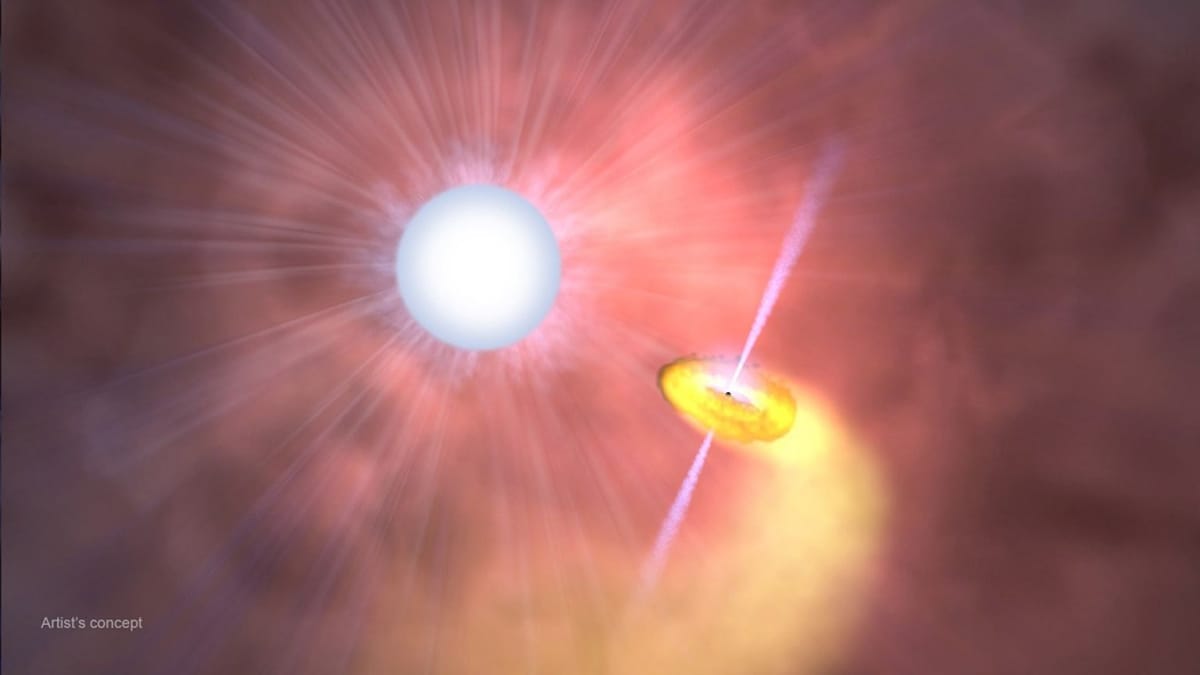
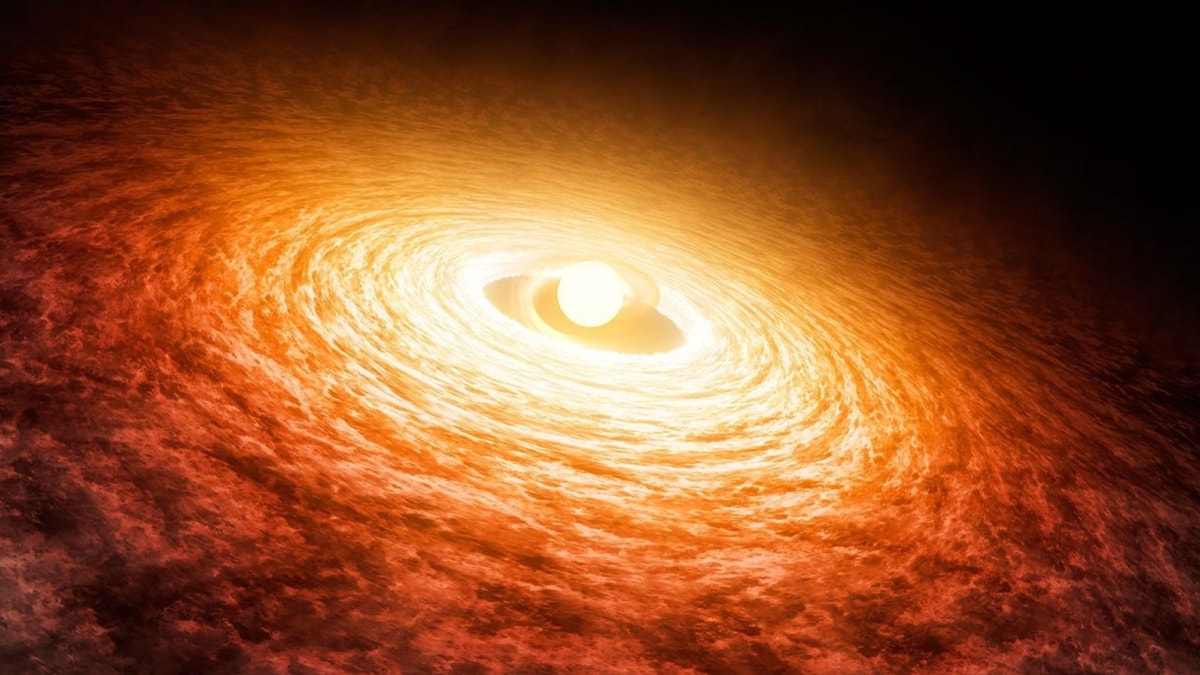
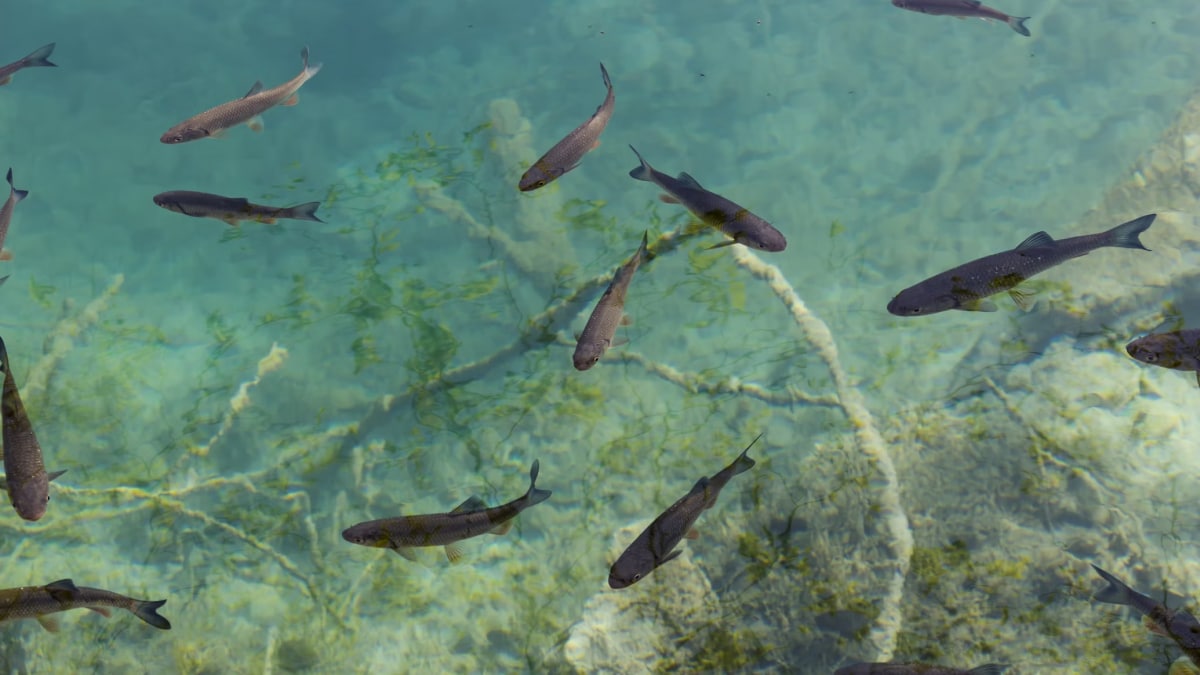
NASA’s Hubble Space Telescope has provided new insights into the young star FU Orionis, located in the constellation Orion. Observations have uncovered extreme temperatures in the inner region of its accretion disk, challenging current models of stellar accretion. Using Hubble’s Cosmic Origins Spectrograph and Space Telescope Imaging Spectrograph, astronomers captured far-ultraviolet and near-ultraviolet spectra, revealing […]

Continue Reading